Today's events

  • Nov
    26

    Zindies Editorial Meeting Vol. 5 Today

    Thursday, November 26, 2026 18:00〜20:00
    Zindies' weekly Thursday editorial meeting. This time's theme is: “Show off your ZINEs. Self-nominations and recommendations are both welcome.” Whether you make ZINEs, want to try making one, wonder what a ZINE is, would like to stock them in your shop, want to learn about ZINE events, or want to organize one yourself—anyone interested in ZINEs is welcome. Please come to the bookstore Stoa'S in Jiyugaoka.

From tomorrow: Book Club — My Favorite Author: Let's Talk About the Works of Noran Nijino and more →

Know another ZINE event? Please tell us.

Share an event

Find events by interest

Miwa Watanabe

Miwa Watanabe

I am a graphic designer who loves paper, books, and films (special effects and anime). I occasionally set up a casual stall at secondhand book markets and similar events under the name "book theater splicer". I started making zines driven by the impulse to know what's in people's heads and backgrounds, and to encounter books and films I otherwise wouldn't have found. I really enjoy talking with strangers at events, and I also exhibit at zine festivals and the like. Lately my catchphrase has been, "Turn that story into a zine — I'd read it." I'm running a project to complement zine culture through workshops where anyone can easily enjoy creative expression and making! Event/shop info Instagram [book theater splicer] https://www.instagram.com/b_t_splicer Zine lessons Instagram [dezazine] https://www.instagram.com/dezazine
Ryo Yoshida Ryo Yoshida
Creation
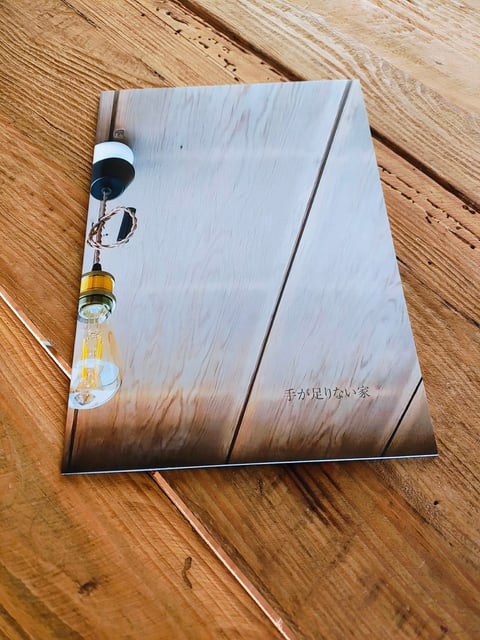
A House Short of Help

A House Short of Help

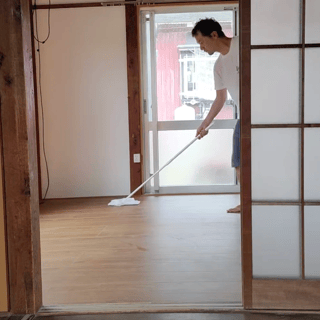
We rent a traditional Japanese house as a base for play and work. There, getting hands-on and leaving space were progressing at the same time. Rather than being in a tidy state, it felt as if many things were overlapping. That atmosphere, thinly and lightly, I put onto paper.

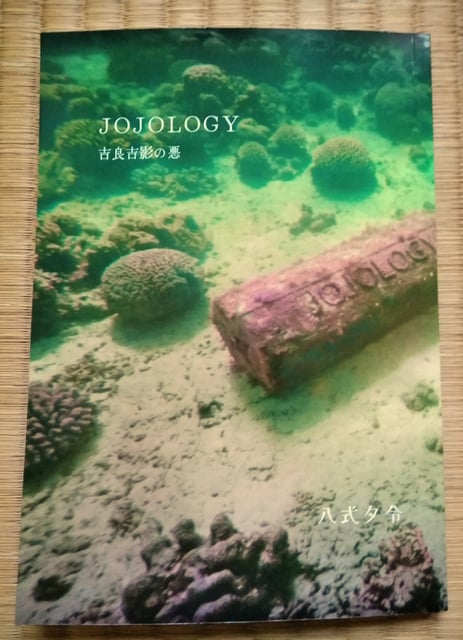
JOJOLOGY - The Evil of Yoshikage Kira -

JOJOLOGY - The Evil of Yoshikage Kira -

By Hirohiko Araki: a thorough, frontal analysis of JoJo's Bizarre Adventure (Shueisha) from Part 1 through Part 4. - Part 1: What is the "friendship" from Jonathan to DIO? - Part 2: Why was Joseph's arm pierced by Kars? - Part 3: The thing that had been lent to DIO a hundred years ago (to every person, to every thing) - Part 4: What is the evil of Yoshikage Kira? [Overview] The serialization of JoJo's Bizarre Adventure spans roughly 40 years. Its story, composition, dialogue, onomatopoeia, and posing have each established a distinctive style that has spread into internet culture as memes and taken root there. The anime adaptation has steadily progressed, and spin-offs have been adapted into live-action dramas and films. Its popularity is now global, and—as exhibitions at the Louvre show—its reach extends even into the art world. Yet JoJo has never been placed at the center of the times; it has always occupied positions outside the mainstream and the conventional. Still, the reason it has been loved for so long is likely because a consistent drive to pursue "truth" runs beneath the work. JoJo can be described as a manga that remains heterodox while earnestly advancing a classic path. Hirohiko Araki does not rest in existing forms of expression. He never stops challenging himself to depict new worlds with new expressive means, and as the volumes progress the themes continue to deepen. Reading this masterpiece—which has already surpassed 100 volumes—carefully from the beginning is not an easy task. This book aims to provide a foundation so readers can immerse themselves in the world of the work without getting lost. First I outline how JoJo differs from other works and then present my answer to the question of "which part to start with." Using a detailed commentary on Part 1 as the basis to understand the "grammar of JoJo," I trace the transitions through Parts 2–4 by answering, for each, the question of what they are fighting against. I have also recorded personal thoughts and interpretations with particular emphasis in the interludes "On the Unconscious" and "DIO: 100 Years of Philosophy."

Hasshiki Yurei

Hasshiki Yurei

I wrote a commentary book arguing that Hirohiko Araki's "JoJo's Bizarre Adventure" is a classic.

Furusato Aiko Furusato Aiko
Announcement

I posted my impressions of the talk event at NAgoya BOOK CENTER on note

I posted my impressions of the Zindies release talk event at NAgoya BOOK CENTER on note. While listening to the discussion I jotted down my thoughts and it turned into an enormous amount, so I excerpted parts and compiled them. There are as many as four installments of the "Ai-san's daydreams" corner where she imagines "wouldn't it be fun if this happened?". They're just fantasies, so feel free to treat them however you like 🙇 It was truly an exciting and fun event! Thank you very much! https://note.com/office_tuning/n/n3ef3e38cf086?sub_rt=share_pw

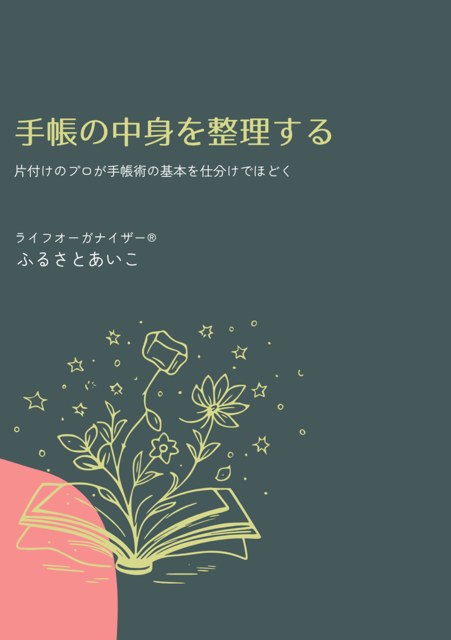
Organizing Your Planner: A Tidying Professional Unpacks the Basics of Planner Methods by Sorting

Organizing Your Planner: A Tidying Professional Unpacks the Basics of Planner Methods by Sorting

"Bullet journals, commonplace books, journaling… There are plenty of books about planner methods, but you might not really know how one method connects to another…?" The tidying professional — a Life Organizer® — uses the basic tidying process: ① Take everything out ② Sort ③ Put away Using this process to organize the countless planner techniques and systematically compile planner methods is the aim of this book. Contents 1. Organize types of planners 2. Organize the role of refills 3. Organize schedules 4. Organize tasks Packed with diagrams, charts, and many photos of real planners, the book is designed to be visually easy to understand. Whether you are about to start using a planner or you love planners and want to learn more, I hope you enjoy this book.

Aito Sakura

Aito Sakura

I write works in a witty style focusing on love, romance, and sex. Original literary fiction. I participate in doujinshi sales events of all sizes, mainly at Nagoya Comitia. I had been on hiatus since the COVID-19 pandemic but am gradually returning. Life organizer name: https://zindies.co/aug7

Furusato Aiko

Furusato Aiko

I work as a 'professional tidier'. I like novels, doujin activities, idols, planners and stationery, and getting together with people. Because I have many interests, I also work under various names such as 'Sakura Aito' and 'Ai-san'. With the slogan 'Come to the bookstore when you're in trouble', I've begun experimenting with ways to create a mutual-help network connected through bookstores. ・Work essays ・A self-published ZINE series 'Organizing the contents of ○○' that lets you peek into my thoughts while tidying and other self-produced ZINEs are available. If anything happens, I'll be at the bookstore — please remember that. Office TUNING! Life-organizing office in Nakamura Ward, Nagoya https://office-tuning.com https://instagram.com/office_tuning/ Japan Life Organizer — full member / Member of the U.S. ICD study group As a novelist: https://zindies.co/dcju

FOMUS Massu FOMUS Massu
Creation
Masu Photo|Lithuania

Masu Photo|Lithuania

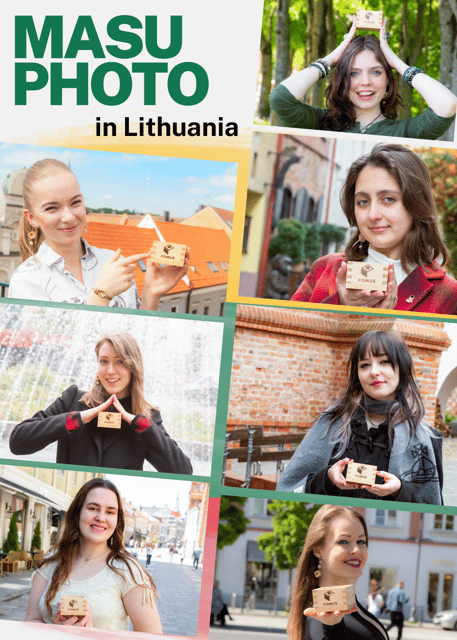
The "Masu Photo" project photographs the presence that is created by holding or wearing a masu (a traditional wooden sake measuring cup). This work was photographed in Lithuania. In Lithuania, where prayer and faith blend into everyday scenes and the land has quietly borne a long history. Against the reserved yet resolute atmosphere that lingers in the streets and among the people, the book captures the bearing of those holding a masu. Even without being loudly proclaimed, there are certainly overlapping values and layers of time. This volume lets you sense how Japanese culture quietly resonates when it comes into contact with a place that carries that kind of spirituality. This photobook is produced not only to be read, but as a work that is completed when placed in a space. Recommended for cafés, galleries, shops, and accommodations that value history, spirituality, and quiet strength.

FOMUS Massu FOMUS Massu
Creation
Masu Photo|Latvia

Masu Photo|Latvia

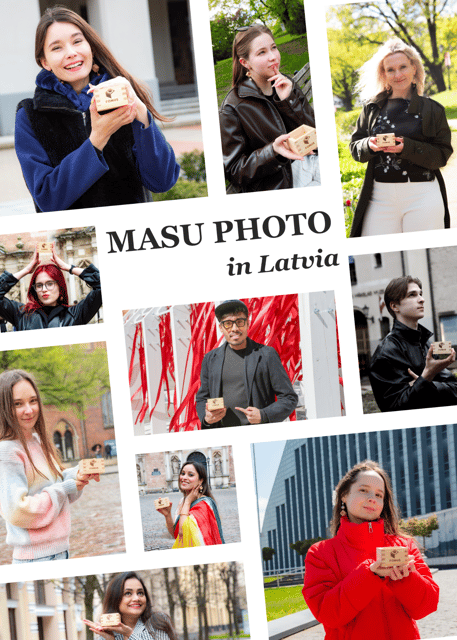
The "Masu Photo" project photographs the bearing that arises from holding or wearing a masu (a square wooden sake cup). This work was shot in Latvia in May 2025.\r\n\r\nThe air of a town near the Baltic Sea and the cobblestone old town. In quiet, shadowed everyday scenes slightly removed from the bustle of tourist areas, we capture the presence of people holding a masu.\r\n\r\nStreets layered with history, and a modest, introspective atmosphere. We frame moments in which unspoken pauses and layers of time can be felt.\r\n\r\nWhen Japanese culture touches a place that holds an aesthetic not loudly proclaimed, how does it quietly meld in? This volume records that sensorial resonance.\r\n\r\nThis photobook is created not only to be read but as a work that is completed by being placed in a space.\r\n\r\nRecommended for cafés, galleries, shops, and accommodations that value stillness and the accumulation of time.

FOMUS Massu FOMUS Massu
Creation
Masu Photo|Estonia

Masu Photo|Estonia

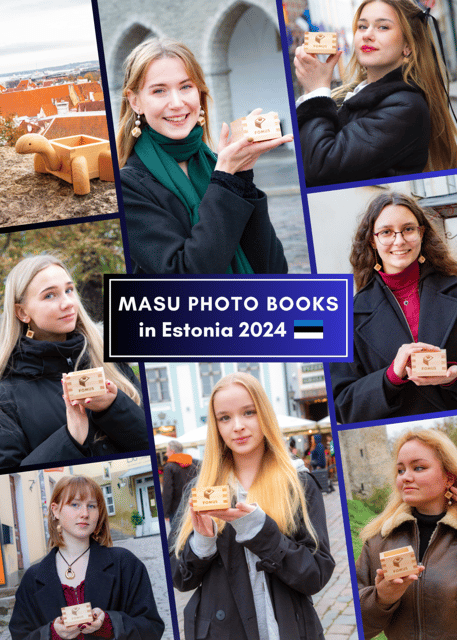
The "Masu Photo" project photographs the pose and presence that arise when a masu is held or worn. This work was photographed in Estonia in October 2024. Surrounded by forests and the sea, Estonia is a country where tranquility and rationality coexist. Against everyday backdrops, it captures the calm gaze of people holding a masu and their poised, spacious presence. In a highly digitalized society, the "quiet time" and the "space to think" that people cherish. When Japanese culture encounters a place that holds those values, how naturally does it meld in? This book is a work that records that sensory resonance. This photobook was created not only to be read but as a piece that is completed when placed within a space. Recommended for cafés, galleries, shops, and accommodations that value room for thought and quiet.

FOMUS Massu FOMUS Massu
Creation
Masu Photo|Spain

Masu Photo|Spain

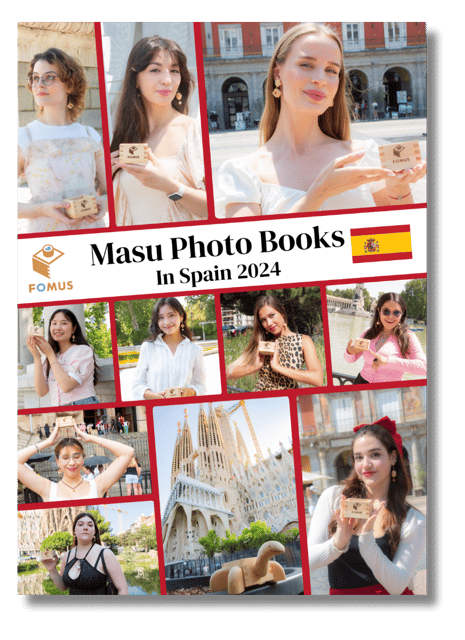
This is a photo art book of people holding the traditional Japanese craft "masu", photographed in Madrid and Barcelona in July 2024. History and modernity, tranquility and passion. Within these two cities, which display contrasting characters, I capture the emotions and the natural demeanor that arise at the moment someone holds a masu. When Japanese culture meets lands with a strong aesthetic sensibility and lifestyle culture, how does it blend in and reveal new expressions? This book is a record of that encounter. This photobook is created not only to be read, but as a work that is completed when placed in a space. Recommended for cafes, galleries, shops, and accommodations that cherish the beauty of art, architecture, and everyday living.

FOMUS Massu FOMUS Massu
Creation
Masu Photo|United States

Masu Photo|United States

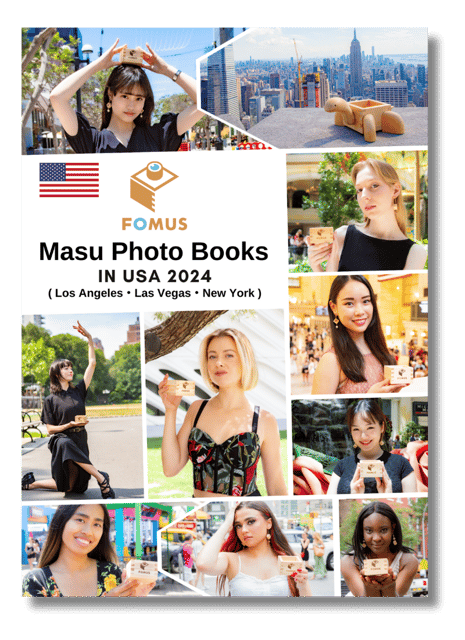
A photo-art collection of people holding the traditional Japanese craft 'masu' (a wooden sake-measuring cup), photographed in Los Angeles, Las Vegas, and New York between June and July 2024. Film, entertainment, city, freedom. Within cities that each show different faces, I capture the natural presence that appears the moment a person holds a masu. How is Japanese culture received and reinterpreted when placed in a society of strong self-expression and diversity? This book is a record that captures that intersection. This photobook is made not just to be read, but as a work that is completed when placed in a space. Recommended for spaces where diverse people gather, and for cafes, galleries, shops, and accommodations that value individuality and freedom.

FOMUS Massu FOMUS Massu
Creation
Masu Photo|Philippines

Masu Photo|Philippines

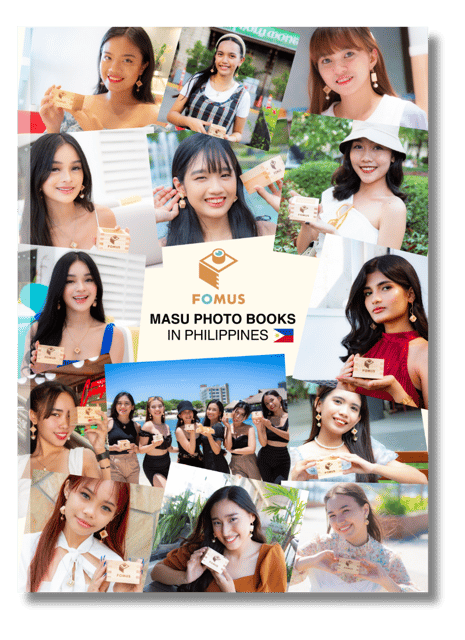
This is a photo-art collection of people holding the traditional Japanese wooden measuring box "masu", photographed in the Philippines (Cebu Island, Manila, Zamboanga) from February to April 2024. Urban, island, everyday scenes. In each different setting, the work captures the simple, straightforward expressions that appear the moment someone holds a masu. How does Japanese culture affect the atmosphere when it enters the daily life of a distant land? This volume is also a work that documents that process. This photobook is produced not only to be read, but as a work that is completed when placed in a space.

FOMUS Massu FOMUS Massu
Creation
Masu Photo|Malaysia

Masu Photo|Malaysia

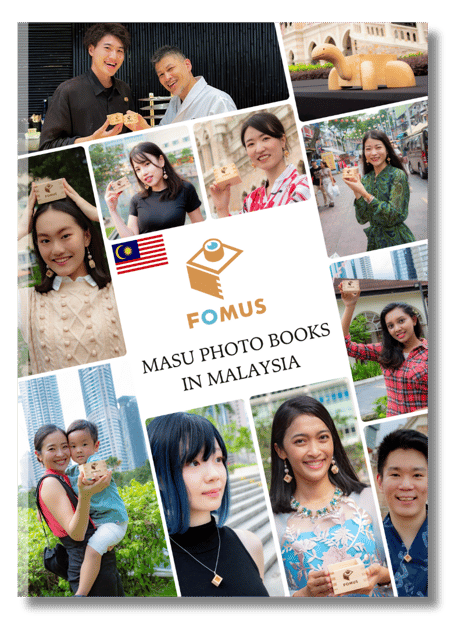
This is a photo-art collection, photographed in Malaysia in 2023, depicting people holding the traditional Japanese craft "masu". It captures the mysterious harmony and quiet expressions that emerge the moment a masu is held, set within differing cultures and values. How Japanese culture is received and absorbed across borders. This volume is also a record that captures those moments. This photo book is produced not only to be read, but as a work that is completed when placed in a space. Recommended for spaces where multiple cultures intersect, and for cafes, galleries, shops, and accommodations that cherish stories beyond country or background.

FOMUS Massu FOMUS Massu
Creation
Masu Photo|Japan

Masu Photo|Japan

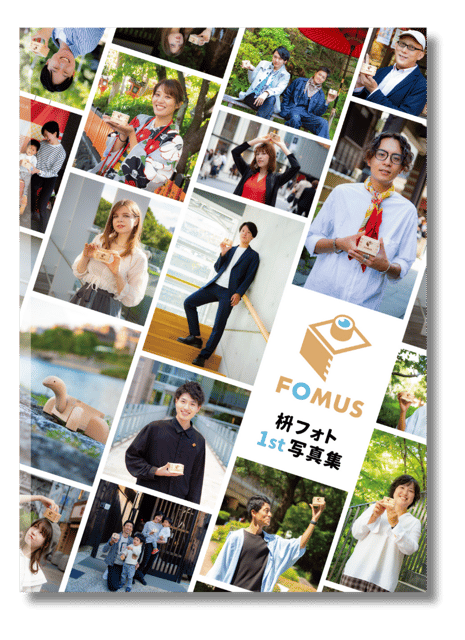
A photobook of photo art featuring people holding the traditional Japanese craft "masu", photographed across Japan. The masu has transformed from a measuring tool into a vessel for celebration. Today it is also captured as a symbol that connects people. Through everyday scenes that feel distinctly Japanese and the presence of people holding a masu, this book evokes quiet moments and narratives. This photobook is created not only to be read but as a work that is completed when placed within a space. Recommended for cafés, galleries, shops, accommodations, and other spaces that value Japanese culture and atmosphere.

FOMUS Massu

FOMUS Massu

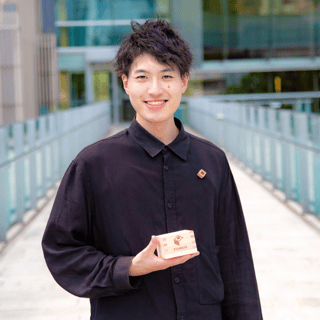
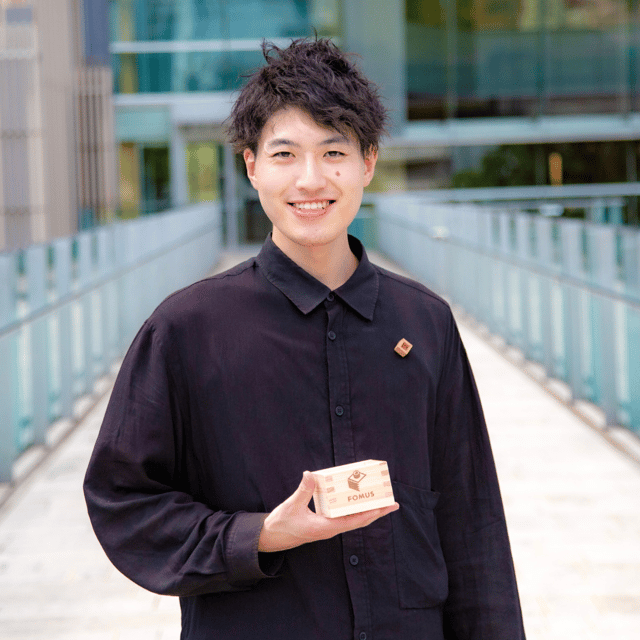
I create an art project called 'Masu Photo', photographing people holding the Japanese traditional craft 'masu' in locations around the world. The masu transforms from a 'measuring tool' into a 'symbol that connects people with one another.' The photobooks are not mere collections of works; they are created as presences that add narrative and a space for Japanese culture to environments such as shops, galleries, hotels, and cafés. 'I want to quietly leave this in this space.' I am looking for spaces that would inspire that feeling.

Saibundo | saibundo

Saibundo | saibundo

Saibundo | saibundo is a bookstore on Kyoto's Shin-Omiya Shopping Street that carries new and used books 📚\nWe opened the bookstore in December 2025 and the café in March 2026.\nA gallery is planned to open soon.\n

68 Shichiku Nishitakanawacho, Kita-ku, Kyoto

Natsuya NUTSHOUSE

66 Kamimonzencho, Murasakino, Kita Ward, Kyoto City 603-8217, Japan